Understanding Property Taxes in Illinois: What Every Homeowner Needs to Know
Property taxes in Illinois are real, they are significant, and they catch a lot of buyers off guard if no one takes the time to explain them. Here is what you need to know before you buy or sell in the western suburbs.
Illinois Has the Second-Highest Property Tax Rate in the Nation
That is not a rumor. Illinois has an effective property tax rate of roughly 2.07% to 2.27% of assessed value, making it one of the highest in the country. The national average is about 1% to 1.1%. The average Illinois homeowner pays over $6,000 a year in property taxes, more than double the national average.
This is important to understand before you budget for a home. Your mortgage payment is only part of what you will pay each month. Property taxes get factored in too, and in DuPage and Kendall counties, where Naperville, Aurora, Oswego, and Plainfield are located, the numbers are meaningful.
For context, on a $400,000 home in DuPage County, you might pay anywhere from $7,000 to $10,000 or more in annual property taxes depending on your specific taxing districts. Your lender will estimate this and build it into your monthly escrow payment.
How Illinois Property Taxes Are Calculated
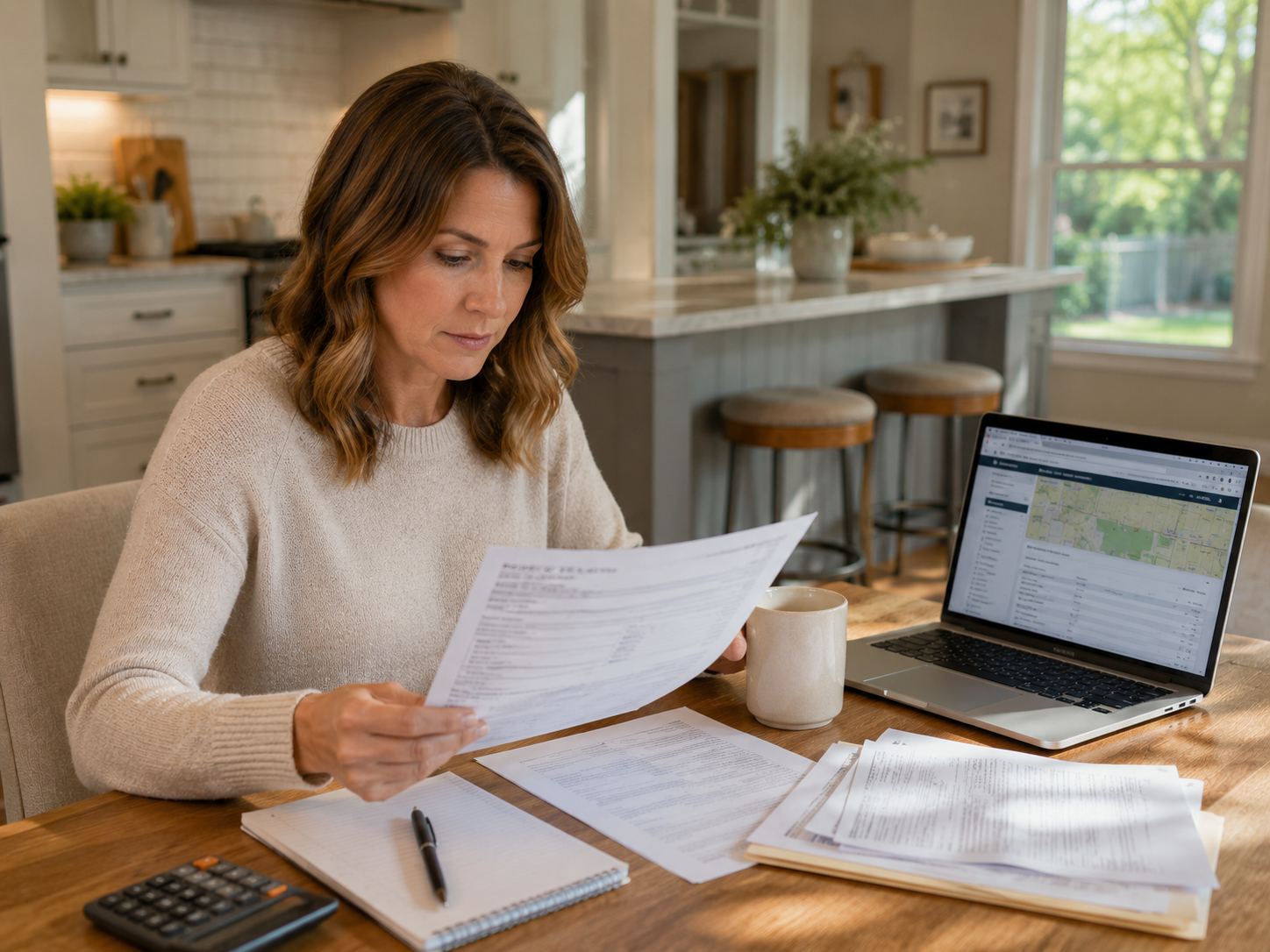
Illinois assesses residential property at one third of its fair market value. Your county assessor determines that assessed value, then applies an equalization factor. Your final tax bill is based on that equalized assessed value multiplied by the total tax rate from all your local taxing districts: your municipality, your school district, your park district, your library district, and others.
That is why two homes with the same purchase price in different towns can have very different tax bills. The mix of taxing districts is different.
Illinois also has a Property Tax Extension Limitation Law, sometimes called PTELL or tax caps, which limits how much local taxing districts can increase their total revenue each year. For 2026, the inflation factor is set at 2.9%, so tax increases are somewhat controlled.
Exemptions That Can Lower Your Bill
Illinois offers several exemptions that reduce your property tax bill. The General Homestead Exemption reduces your assessed value by $6,000 in most counties outside Cook, which translates to real savings on your annual bill. You have to apply for it, and it is available to any owner who lives in the home as their primary residence.
Senior homeowners have additional options including the Senior Citizens Homestead Exemption and the Senior Assessment Freeze, which can significantly limit tax increases for qualifying residents. These require annual filing.
We always remind buyers to apply for the General Homestead Exemption after they close. A lot of new owners miss it the first year simply because nobody told them about it. Baird and Warner agents make sure our clients know these things before they close, not after.
Taxes Are Paid in Arrears in Illinois
This surprises a lot of buyers. In Illinois, you pay taxes for the prior year. So your 2025 tax bill is paid in 2026. This affects how credits and prorations work at your closing.
When you buy a home in Illinois, the seller gives you a credit at closing for the portion of the current year’s taxes that have not been paid yet. This is an estimate based on the prior year’s bill. If the actual tax bill comes in higher, you may owe more. Your attorney handles this calculation, but knowing it exists helps you prepare.
If you want to see what current homes are listed for in your target area, browse Zenlist and factor taxes into your monthly budget conversation.
Frequently Asked Questions
Why are property taxes so high in Illinois?
Illinois relies heavily on local property taxes to fund schools and public services. The state provides less funding to schools than many other states, which shifts the burden to local property taxes. The result is higher rates than the national average.
How do I find out what the property taxes are on a home I want to buy in Illinois?
Your agent can pull the current tax bill from public records. Your lender will also factor it into your monthly payment estimate. Always ask before making an offer so taxes are part of your budget math.
What is the General Homestead Exemption in Illinois and how do I apply?
The General Homestead Exemption reduces your property’s assessed value by $6,000 if it is your primary residence. You apply through your county assessor’s office, typically after your first tax year as the owner.
Are property taxes paid at closing in Illinois?
Illinois taxes are paid in arrears, meaning you pay last year’s taxes in the current year. At closing, the seller credits the buyer for the portion of the current year’s taxes not yet paid. Your attorney handles the proration calculation.
Do property taxes affect my monthly mortgage payment?
Yes. If your lender sets up an escrow account, a portion of your monthly payment goes toward property taxes. Your lender estimates this based on the prior year’s bill and adjusts it annually.
Property taxes are one of the biggest factors in homeownership cost in Illinois, and too many buyers find out too late. We make sure you know the full picture before you ever make an offer. That is how we do it at Team Elite Realtors.
Book a Free Buyer Consultation | Search Homes on Zenlist
Ready to make your next move in the western suburbs of Chicago?
We are here to help you every step of the way, whether you are buying, selling, or just exploring your options.
Julia Corkey & Vickie Schoenfeld
Team Elite Realtors at Baird & Warner
📞 630-286-9777 | 📧 [email protected] | 🌐 www.homesbyteamelite.com
Book a Consultation | Get Your Home Value | Search Homes on Zenlist
Follow us: Facebook | Instagram | YouTube
Licensed REALTORS® proudly serving Naperville, Aurora, Oswego, Plainfield and the Western Chicago Suburbs